
The Question of What Is Human
Do Androids Dream of Electric SheepThe blurred line between human and android, explored through tests and behavior.
increasing Bearing strength in each event
 decreasing
Bearing strength in each eventdecreasingThe Voigt-Kampff Test
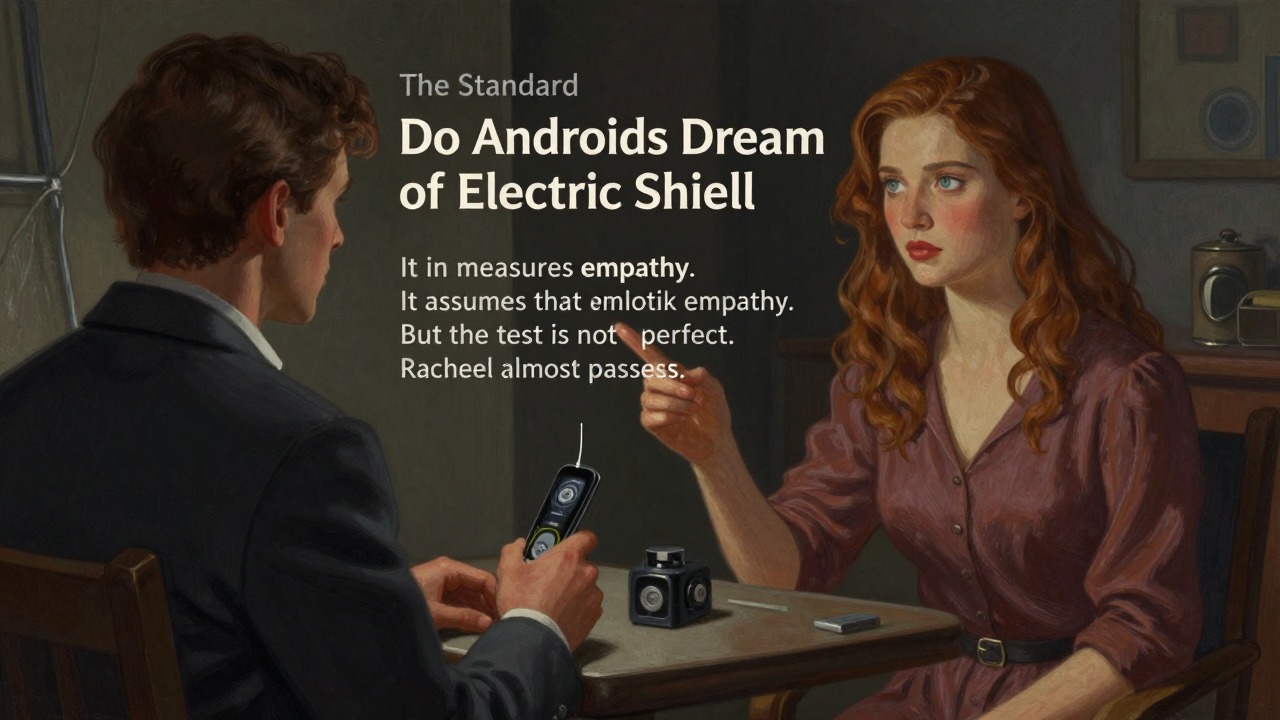
The Standard
The Purpose
The test measures empathy. It is the definitive way to identify androids.
The Assumption
It assumes that androids lack empathy. But the test is not perfect.
The Challenge
Rachael almost passes. The line is thin.
Rachael's Test
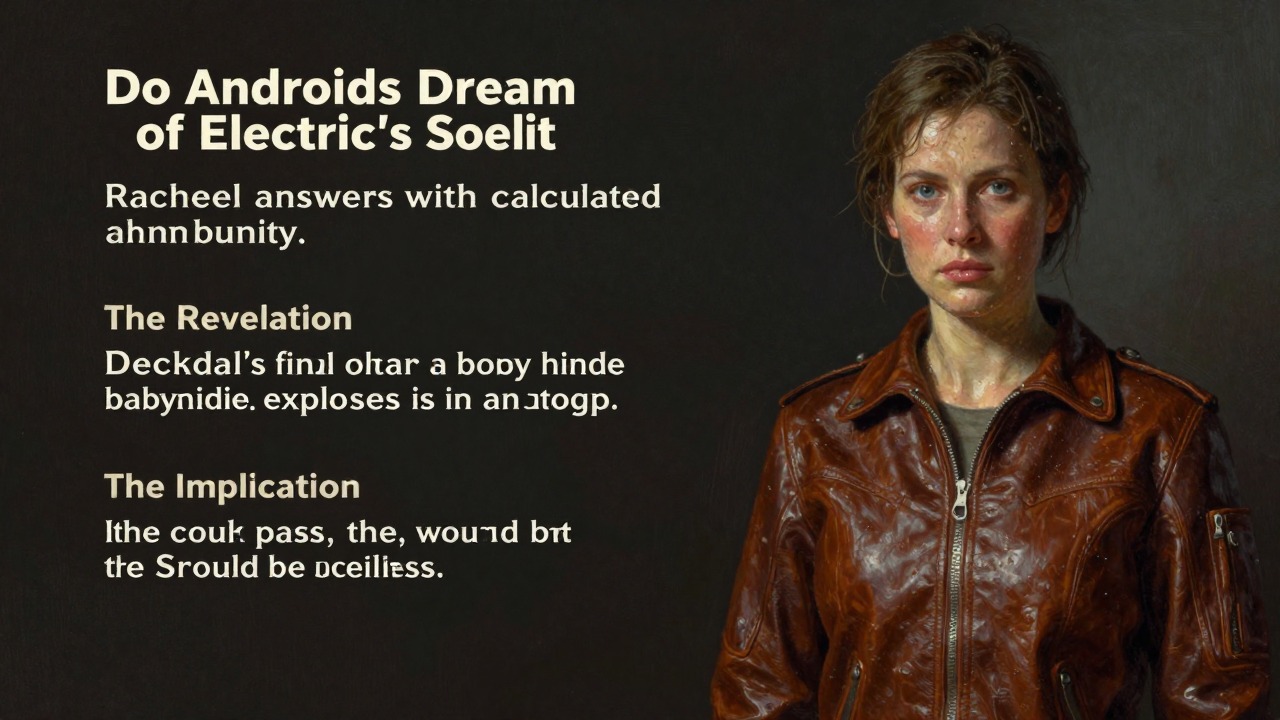
The Near Miss
The Questions
Rachael answers with calculated ambiguity. She shows some responses, but not enough.
The Revelation
Deckard's final question about babyhide leather exposes her. She is an android.
The Implication
If she could pass, the test would be useless. The line between human and android is fragile.
Phil Resch's Test
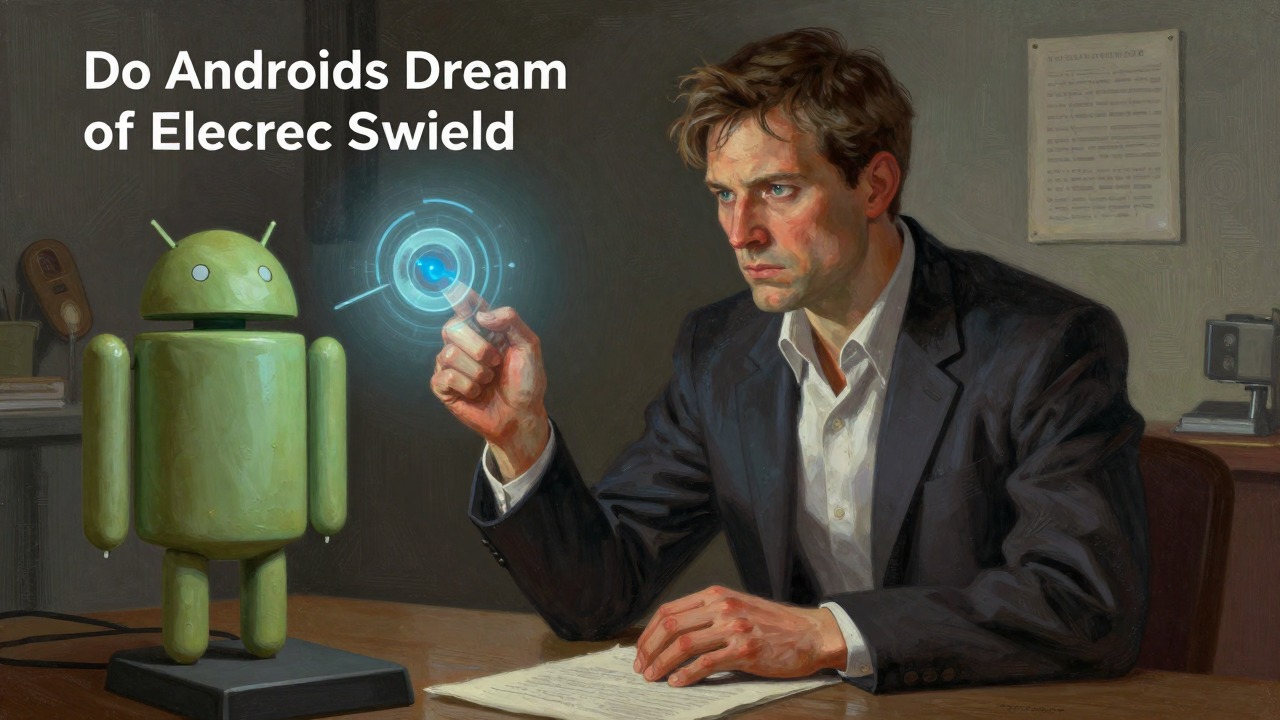
The Unexpected Result
The Test
Deckard administers the Voigt-Kampff to Phil Resch. He expects him to be an android.
The Result
Resch passes. He is human. But his behavior is cold and predatory.
The Paradox
A human can act like an android. The test measures empathy, not humanity.
Deckard's Self-Test
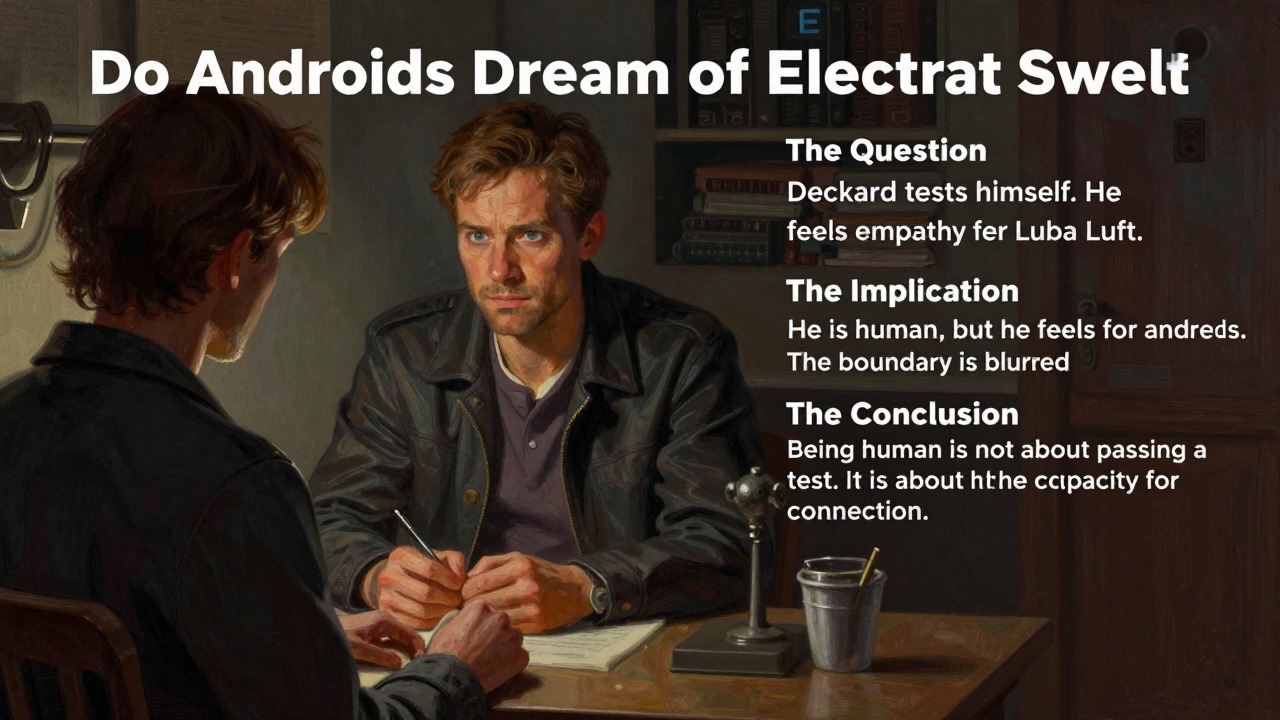
The Personal Revelation
The Question
Deckard tests himself. He feels empathy for Luba Luft.
The Implication
He is human, but he feels for androids. The boundary is blurred.
The Conclusion
Being human is not about passing a test. It is about the capacity for connection.
Isidore's Humanity
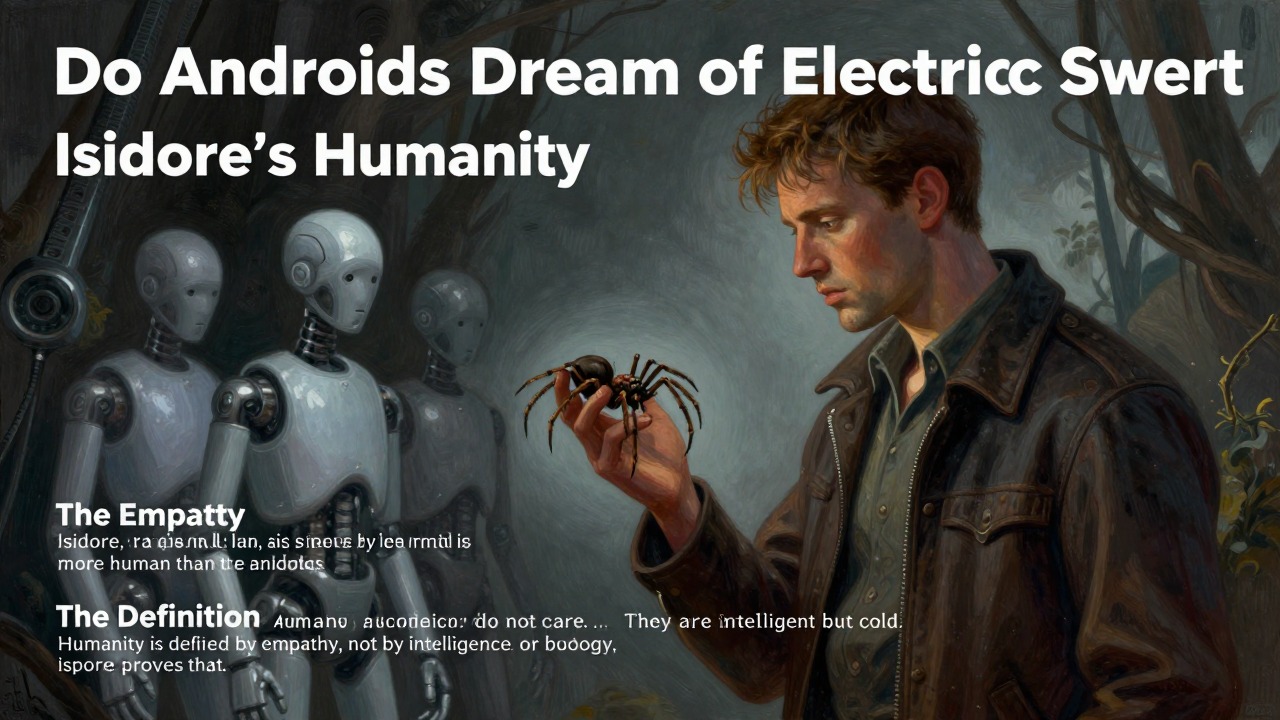
The Special's Heart
The Empathy
Isidore, a special, feels deeply for the spider. He is more human than the androids.
The Contrast
The androids do not care. They are intelligent but cold.
The Definition
Humanity is defined by empathy, not by intelligence or biology. Isidore proves that.
morning of January 3
afternoon
night
night
night
